


The Anti-Wedding: Why Couples Are Doing Things Differently
NB: To help you browse our best suggestions we have included some third party links. Some purchases made through these links may earn us a commission to help keep our blogs and offers current and up to date. Thanks for your support!
Today’s couples are increasingly looking at the traditional wedding formula and asking a much simpler question: do we actually want to do it that way?
Not anymore.
From unconventional venues and serpentine tables to tiramisu towers and completely reworked timelines, the modern wedding is becoming less about following a formula and more about creating a day that feels unmistakably like the couple getting married.
It’s not necessarily about throwing tradition out completely. It’s about knowing which bits you want to keep, which you want to change and which you never really wanted in the first place.
Welcome to the anti-wedding.
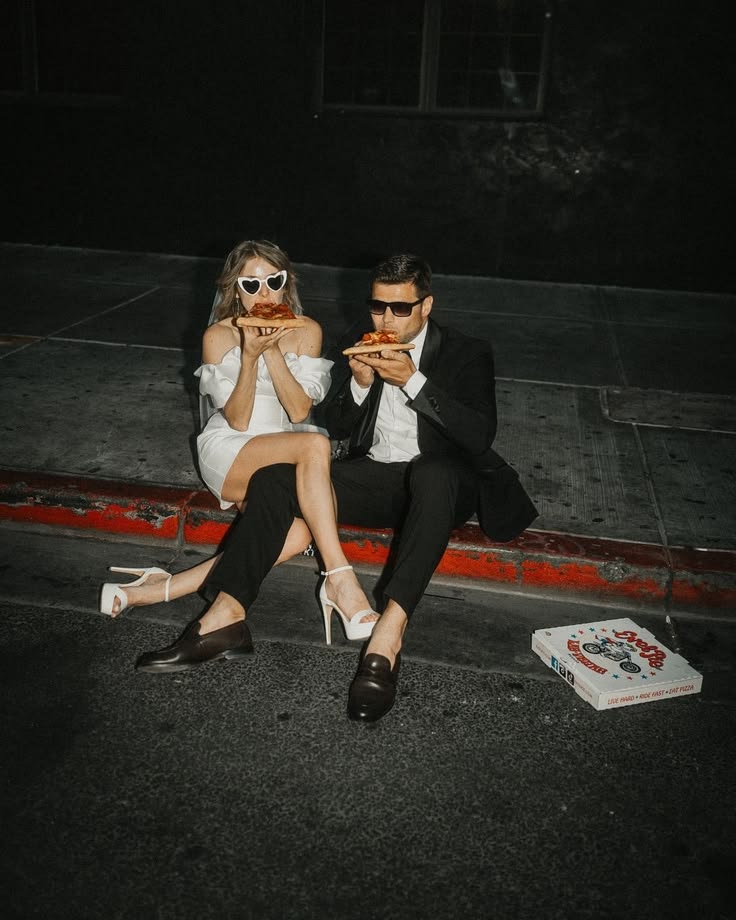
Forget the Wedding Rulebook
The biggest shift isn’t one particular trend. It’s the growing willingness to question the idea that there is a right way to get married.
Couples are choosing restaurants, private dining rooms, city spaces, country houses, warehouses, gardens and other unexpected settings instead of automatically searching for a traditional wedding venue. Others are taking a more intimate approach, getting married somewhere small and meaningful before throwing the party they’ve always wanted somewhere completely different.
The venue doesn’t have to look like a wedding venue. The day doesn’t have to follow a familiar format. And, perhaps most importantly, you don’t have to do something simply because it’s what weddings usually do.
That mindset is filtering into almost every part of the celebration.
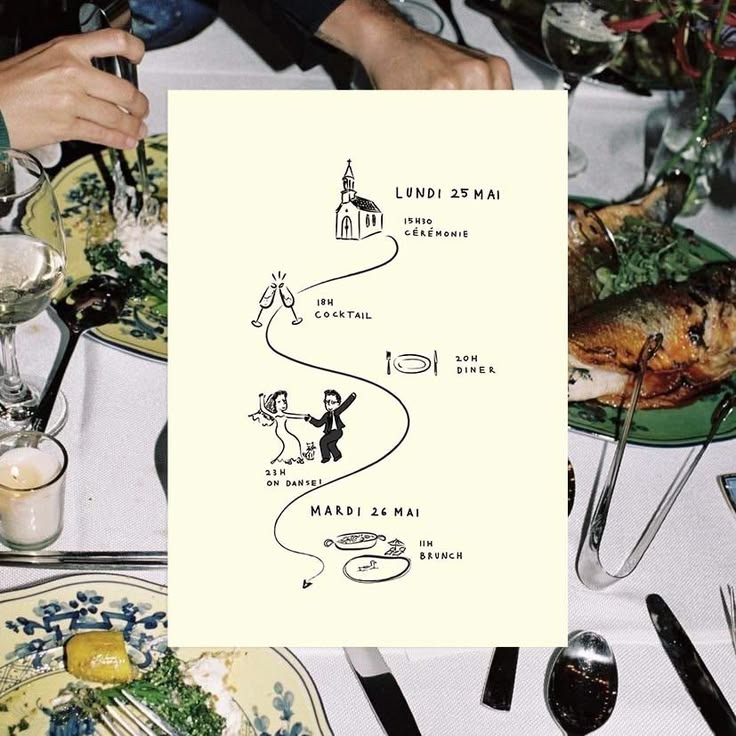
A Timeline That Actually Feels Like You
There’s something slightly strange about spending months planning a wedding only to spend the actual day watching the clock.
For couples embracing the anti-wedding approach, the traditional wedding timeline is being reworked in favour of something that feels more natural, energetic and fun.
That might mean getting the party started earlier, moving straight from the ceremony into dinner, adding an activity between the meal and dancing or filling the day with moments guests can actually do rather than simply watch.
Think cocktail-making, live music, lawn games, photo booths, tasting stations, karaoke, creative workshops or unexpected entertainment popping up throughout the day.
The idea is simple: why leave huge gaps in the schedule when you could fill them with things people genuinely want to experience?
The result is a wedding that feels less like a series of formal appointments and more like one big celebration.
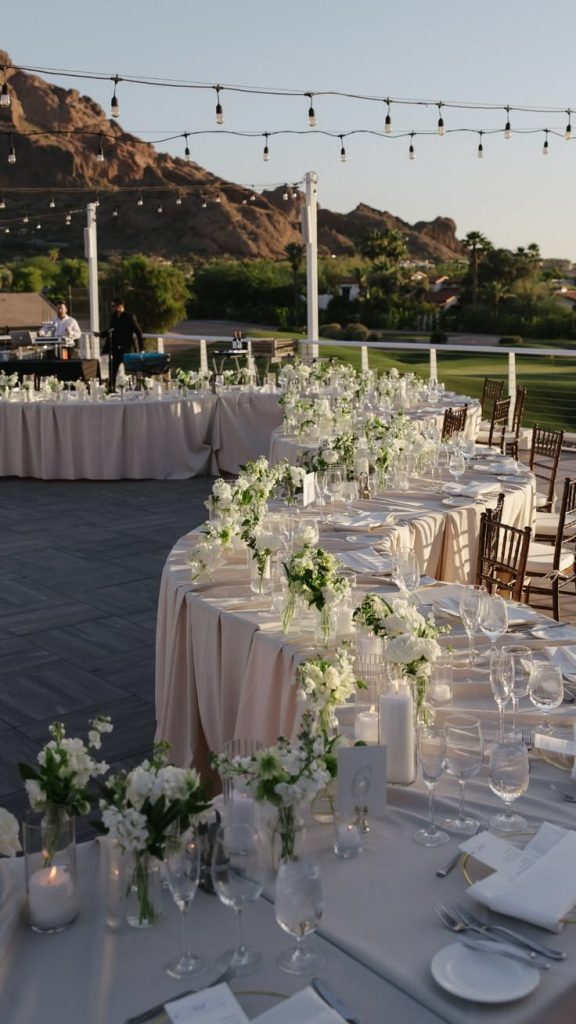
Seating Plans? Think Again.
The traditional top table isn’t going anywhere for everyone, but couples are getting much more creative with how they bring their guests together.
One long serpentine table can completely change the atmosphere of a reception, creating a more sociable, dinner-party feel rather than separating the room into rows of tables.
Other couples are mixing round tables with long tables, creating different zones or ditching assigned seating altogether.
And there’s a reason this works. When the room feels less formal, guests tend to feel less like they’re attending a structured event and more like they’re part of a brilliant dinner with all their favourite people.
Your seating plan doesn’t just have to solve the logistical problem of where everyone sits. It can actually shape the entire atmosphere of your wedding.
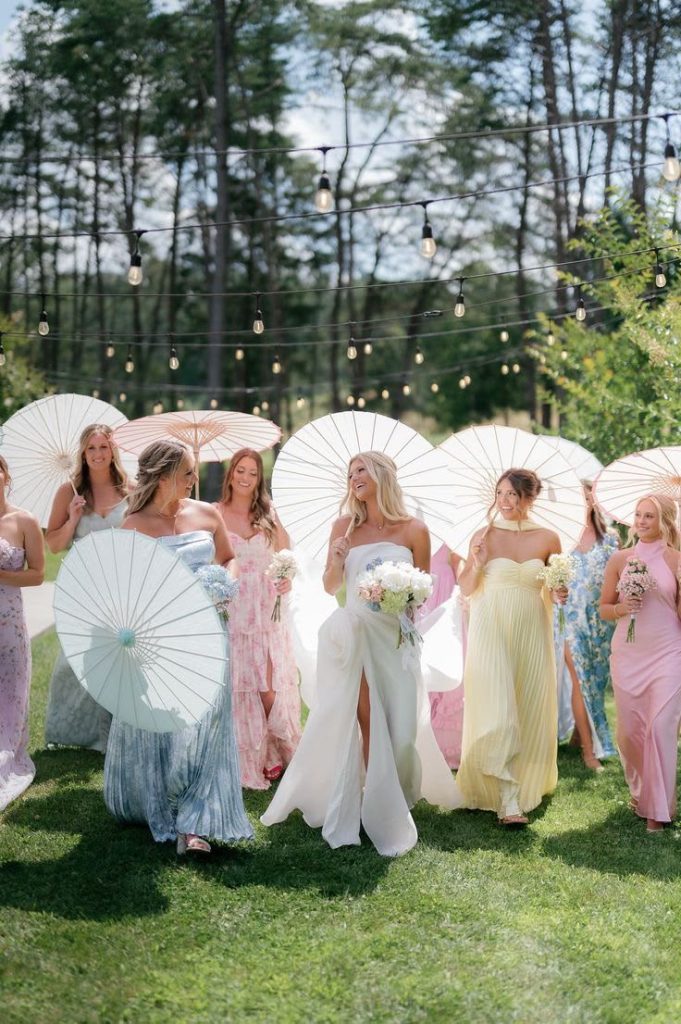
The Wedding Party Is Getting a Rebrand
Not everyone wants six bridesmaids and six groomsmen. And increasingly, couples are realising they don’t have to have them.
Some are choosing one maid of honour or best person instead of a whole bridal party. Others are having a handful of their closest friends beside them without giving everyone a formal title.
And if there is a bridal party, matching dresses aren’t a prerequisite.
Mismatched colours, different silhouettes, individual styles and suits in different cuts can create a look that feels much more natural and personal. Your best friends don’t all need to look identical to prove they’re your best friends.
The same goes for the rest of the wedding party. The modern approach is less about creating a perfectly coordinated picture and more about letting the people standing beside you actually look like themselves.
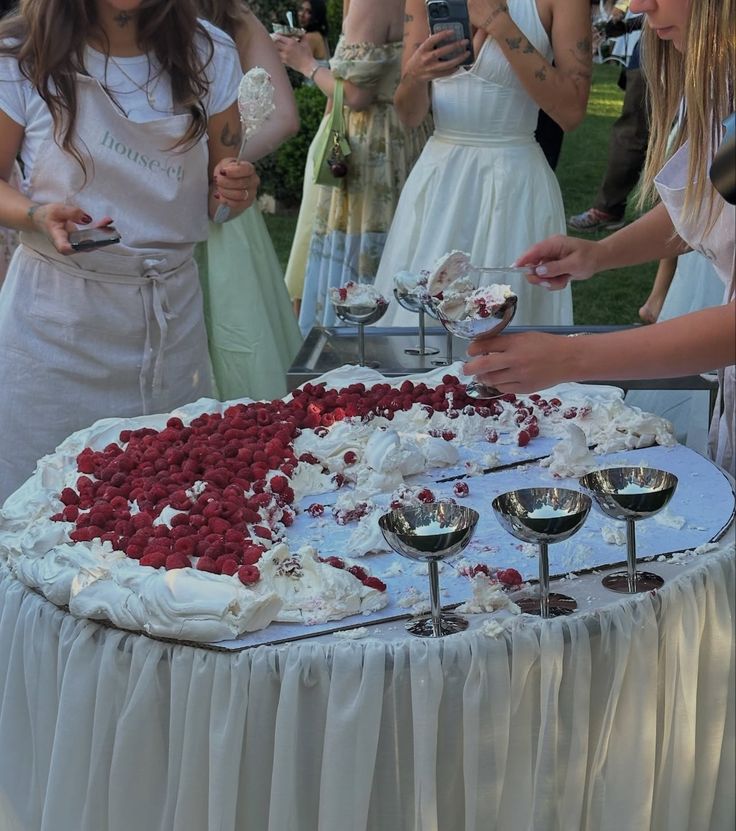
Cake Doesn’t Have to Mean Cake
The traditional wedding cake has had a pretty good run. But there’s no reason dessert has to arrive in three tiers of fruit cake just because that’s what weddings have always served.
Couples are getting much more inventive with their centrepiece dessert, from towering tiramisu and croquembouche to mille-feuille, doughnut walls, cheese cakes, pavlova and stacks of their favourite sweet treats.
And honestly, why shouldn’t your wedding dessert be something you actually want to eat?
A giant tiramisu tower might make far more sense for a couple who would happily demolish one together on a Friday night than a traditional iced cake they’ve chosen because it looks like a wedding cake.
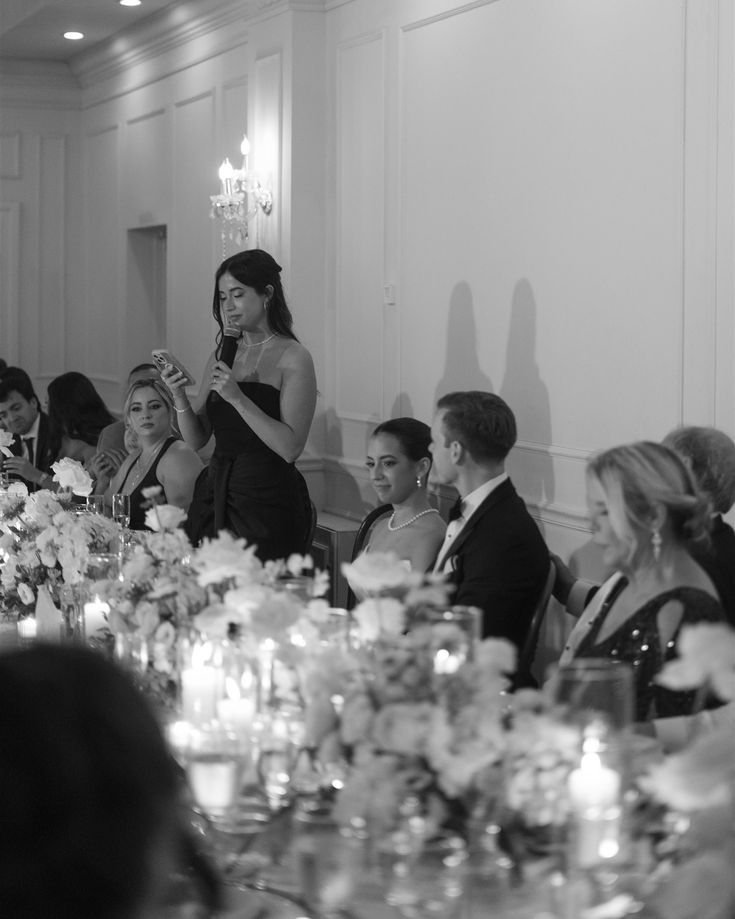
Who Said Speeches Had to Follow the Script?
Father of the bride. Groom. Best man.
It’s a familiar line-up, but it’s certainly not the only option.
Modern couples are opening the microphone to whoever actually has something they want to say. A maid of honour, sibling, grandparent, friend or even a group of people can all have their moment.
You could have shorter speeches from several people, surprise someone with a speech, ask friends to share a favourite story or scrap the formal speeches entirely in favour of something more spontaneous.
The point isn’t to remove the emotion. It’s to remove the feeling that everyone is simply waiting for their turn because that’s the order speeches happen at weddings.
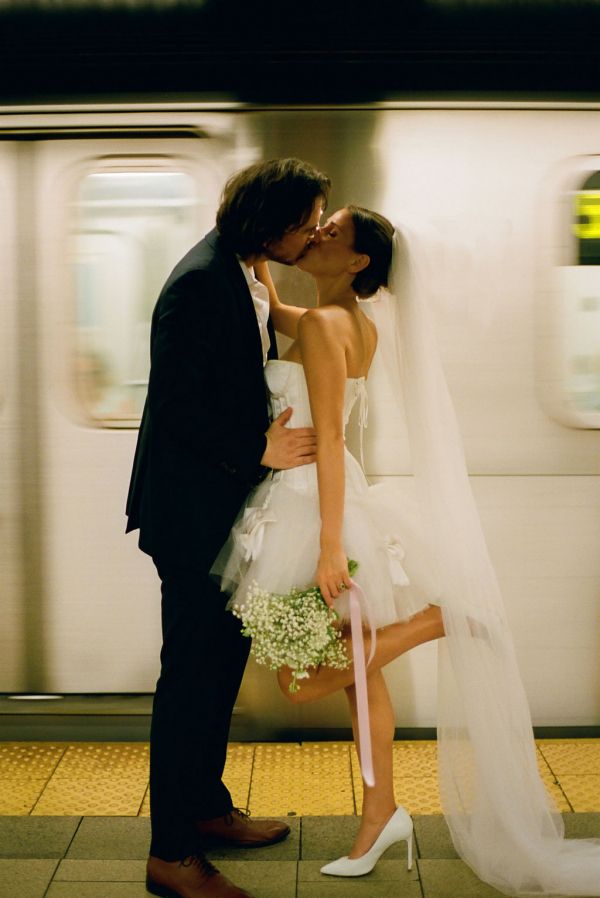
Why Have One Wedding When You Can Have Two?
The idea that the legal ceremony and the big celebration have to happen on the same day is becoming increasingly flexible.
Some couples are choosing to have a courthouse or registry office ceremony with their closest people, followed by an intimate dinner somewhere special. Then, weeks or even months later, they throw the big party.
Others might elope privately before celebrating with everyone they love.
It’s a format that gives couples the freedom to make both occasions feel completely different. One can be quiet, emotional and intimate; the other can be loud, chaotic and full of dancing.
And after the rise of courthouse weddings, it’s clear that couples are increasingly comfortable separating getting married from throwing a wedding.
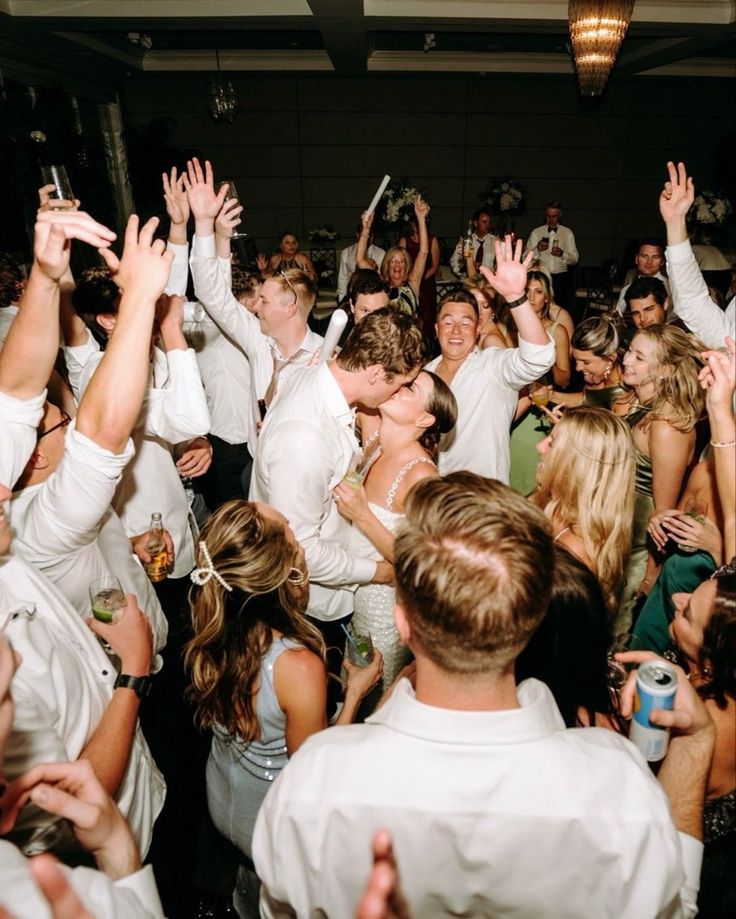
Make It Feel Like a Party, Not a Production
Perhaps the biggest characteristic of the anti-wedding-wedding is that it feels less staged.
That doesn’t mean it can’t be beautifully styled. It doesn’t mean you can’t have incredible flowers, an amazing dress or a stunning venue.
It simply means the aesthetic isn’t the entire point.
It’s about creating somewhere people want to linger. Food that gets everyone talking. Music that gets people dancing. Activities that bring different groups together. A seating plan that encourages conversation. A schedule that leaves room for spontaneity.
It’s about replacing the parts that feel forced with things that feel fun.
And that could look completely different for every couple.
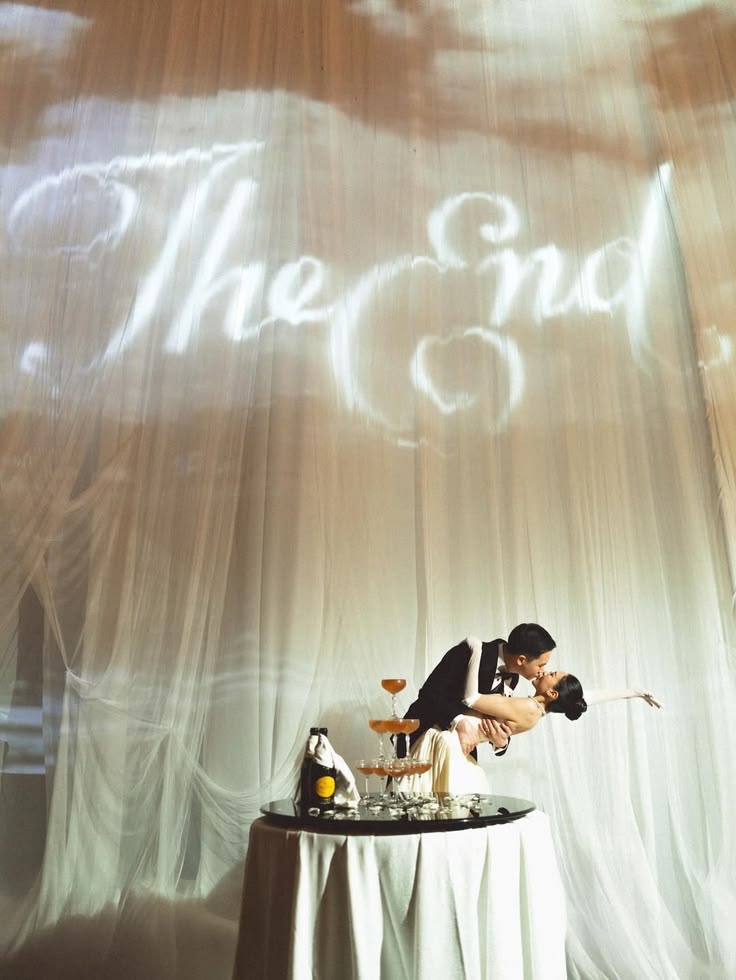
The Wedding You Actually Want
For years, there has been an unspoken expectation that once you get engaged, you step into a predetermined version of what a wedding looks like.
But weddings are changing because couples are realising they don’t have to.
You can have the big white dress and the courthouse ceremony. You can have a country house venue with a completely unconventional layout. You can have one bridesmaid. You can have ten. You can have none.
You can serve tiramisu instead of cake, let everyone speak instead of following a speech order and replace hours of waiting around with a packed itinerary of things your guests will actually remember.
The anti-wedding-wedding isn’t about being deliberately different for the sake of it.
It’s about taking the bits that matter to you and leaving the rest behind.
Because perhaps the biggest wedding trend of all is simply this: your wedding doesn’t have to look like anyone else’s.
And, actually, it probably shouldn’t.