


How to Budget for Your Wedding (Without Losing the Plot)
Let’s be honest, budgeting isn’t the most glamorous part of wedding planning – especially not in this economy. But getting it right from the start will make every other decision feel easier, calmer, and a lot more enjoyable.
At For Better For Worse, we always say: your wedding budget isn’t about what you should spend – it’s about what feels right for you as a couple.
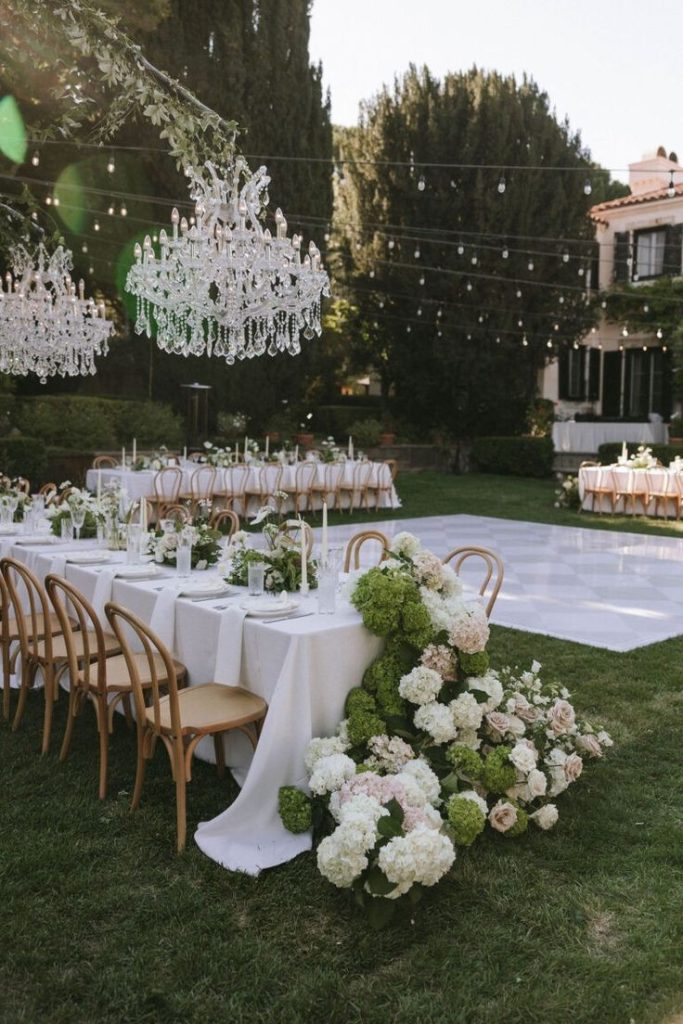
Start With Your Total Budget
Before you book anything, figure out how much you’re willing (and able) to spend in total. This might come from:
• Your personal savings
• Contributions from family
• Any side income or windfalls
Be honest about what you can afford. The average wedding can cost anywhere from £10,000 to £40,000+, but your wedding doesn’t need to match those numbers. It needs to match your priorities.
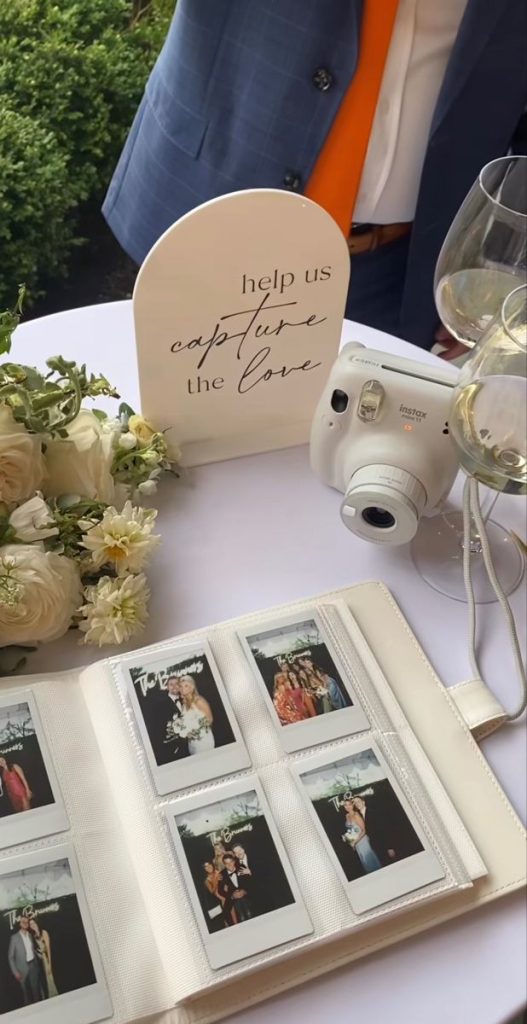
Break It Down
Once you’ve got your overall figure, the next step is allocating it. This gives you a clear framework to work within and helps avoid overspending early on.
| Category | Suggested % of Budget |
| Venue & Catering | 40–50% |
| Photography & Video | 10–15% |
| Attire & Beauty | 5–10% |
| Entertainment | 5–10% |
| Flowers & Decor | 10% |
| Stationery | 2–3% |
| Miscellaneous / Emergency Fund | 5–10% |
This isn’t set in stone, if photography is a top priority for you, you might increase that and reduce spend elsewhere. The key is making conscious decisions, not accidental ones.
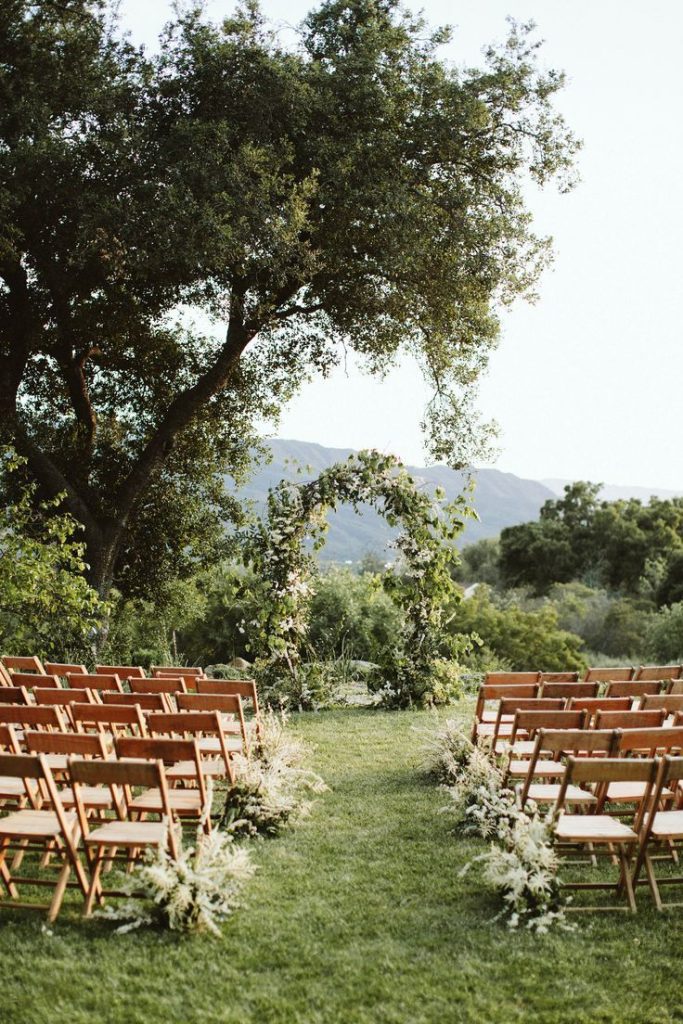
Think About Time of Year
Your wedding date can have a huge impact on your budget. Peak summer dates (especially Saturdays) are usually the most expensive, with higher demand across venues and suppliers.
If you’re open to alternatives, consider:
• Winter weddings (often more availability and better pricing)
• Midweek dates
• Off-peak months like January, February or November
Not only can this save money, but it can also open up venues and suppliers that might otherwise be out of reach.

Track Every Expense
It sounds simple, but this is where so many couples slip up.
Keep a running list or spreadsheet of everything you spend – deposits, final payments, small extras, even things like postage or last-minute décor. Costs add up quickly, and it’s easy to lose track if you’re not logging them as you go.
Top tip: always round up slightly when estimating. It gives you a buffer and avoids nasty surprises later.
Avoid Debt (If You Can)
Weddings are important – but starting married life under financial pressure isn’t ideal.
If possible, try to plan a wedding that fits within your means rather than relying on credit cards or loans. It might mean making a few compromises, but it will feel far better long-term.
Focus on what actually matters: the experience, the people, and the memories – not just the extras.

Consider Alternative Gifts
If you’re already living together or don’t need traditional gifts, it’s completely acceptable to ask for contributions instead.
Many couples now opt for:
• Honeymoon funds
• Contributions towards specific elements (like photography or entertainment)
• Cash gifts
It can feel a bit awkward to ask, but most guests genuinely want to give you something meaningful – and this can help ease your budget without adding pressure.
Final Thoughts
Budgeting for your wedding isn’t about restriction – it’s about clarity. When you know where your money is going, you can spend with confidence on the things that matter most to you.
At the end of the day, no one remembers the exact cost of your flowers or stationery. They remember how your wedding felt.
And that doesn’t need to come with a huge price tag.